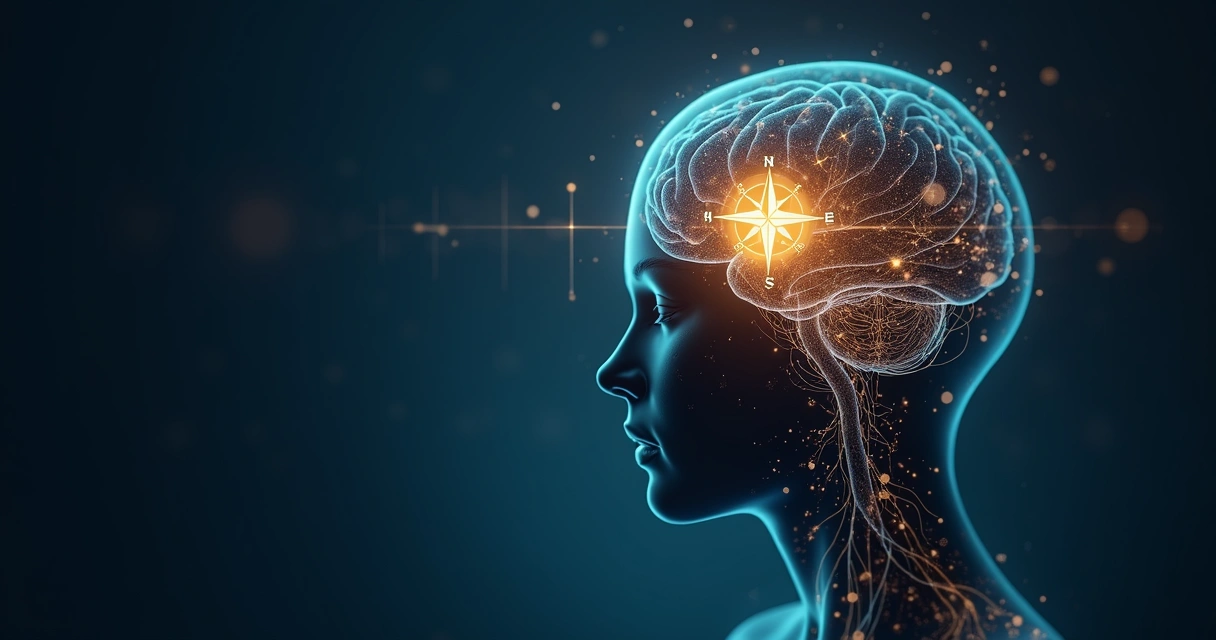


Decision making shapes the way we live, lead, and relate. Yet, too often, it is framed as a purely mental act—a process of weighing options and analyzing outcomes inside the mind. We believe this view is limited. Our direct experience, and a growing body of applied knowledge, shows that the body is not just a passive recipient of choices made by the mind. Instead, the body is an active source of insight, intuition, and wisdom that can guide our most impactful decisions.
What is embodied consciousness?
First, we need to expand what we mean by consciousness. Consciousness is often seen as awareness or thought. But lived experience suggests it includes everything we sense, feel, and express. Embodied consciousness is the felt sense of being present in our bodies, aware of sensations, postures, and the subtle signals that underlie every moment. Decisions are often made not just in the head, but by feeling “in our gut,” by trusting “a sense” that words cannot always explain.
We see this when we pause before a big decision. Our hearts may race, our breathing may slow, or our stomach may react. These cues are not random. They are signals, rooted in evolution and personal history, reflecting our deepest values, beliefs, and unresolved tensions.
The body remembers what the mind forgets.
Embodied consciousness bridges the gap between mind and body. It gives us access to emotional information and intuitive knowing that might never reach conscious thought. In our work, we find that decisions informed by embodied awareness tend to be more authentic and sustainable.
The science of the body-mind connection
Scientific research affirms what ancient traditions and personal observations suggest: Our bodies and minds are not separate. The body communicates with the brain through nerve pathways, hormones, and subtle feedback loops. Gut instincts, for example, arise from the enteric nervous system—sometimes called the “second brain”—which directly impacts mood and behavior. These signals shape our perceptions and choices, often before we are aware of them.
When individuals are attuned to their embodied experience, they notice subtle changes in posture, breath, or muscle tension that signal alignment or conflict with a decision. This internal feedback system helps us sense when something feels “off” or fully “right.” Recognizing and interpreting these messages adds a layer of wisdom beyond rational analysis.

How embodied awareness shapes decisions
In our experience, decisions shaped by embodied consciousness follow a unique pattern. Instead of relying only on logic or external advice, the individual checks inward for resonance. This process can be described in several steps:
- Pausing to notice bodily sensations and emotions as options are considered.
- Listening to subtle cues, such as tightness, relaxation, or shifts in energy.
- Reflecting on what these signals communicate about comfort, alignment, or resistance.
- Integrating this feedback with rational thought to guide the choice.
At first, these steps might feel unfamiliar or even uncomfortable. It can seem easier to ignore the body and default to familiar thought patterns. But with practice, embodied awareness becomes a reliable source of clarity—especially in situations with no clear answer.
Truth is felt, not just understood.
Improving decisions through embodied practices
We often see how regular practices that nurture embodied consciousness lead to clearer decision making. A few simple, accessible approaches include:
- Body scans: Taking a few moments to mentally “scan” from head to toe, noticing areas of tension or ease.
- Focused breathing: Using conscious breath to quiet the mind and calm the nervous system before making choices.
- Mindful movement: Engaging in slow walking, stretching, or gentle movement to reconnect thought and sensation.
These approaches do not replace analysis or planning. Instead, they enrich them. An embodied perspective reveals values and fears beneath the surface. It also uncovers hidden motivations or conflicting desires, allowing decisions that reflect the whole person, not just one part.
Embodiment, emotion, and intuition
Our research and direct observation highlight that emotions live in the body. When we ignore or repress them, we miss important data about what truly matters. Joy may show up as warmth in the chest, while anxiety might present as tightness in the throat. Intuition—a felt sense often described as “just knowing”—is usually a blend of emotional memory, pattern recognition, and bodily awareness.
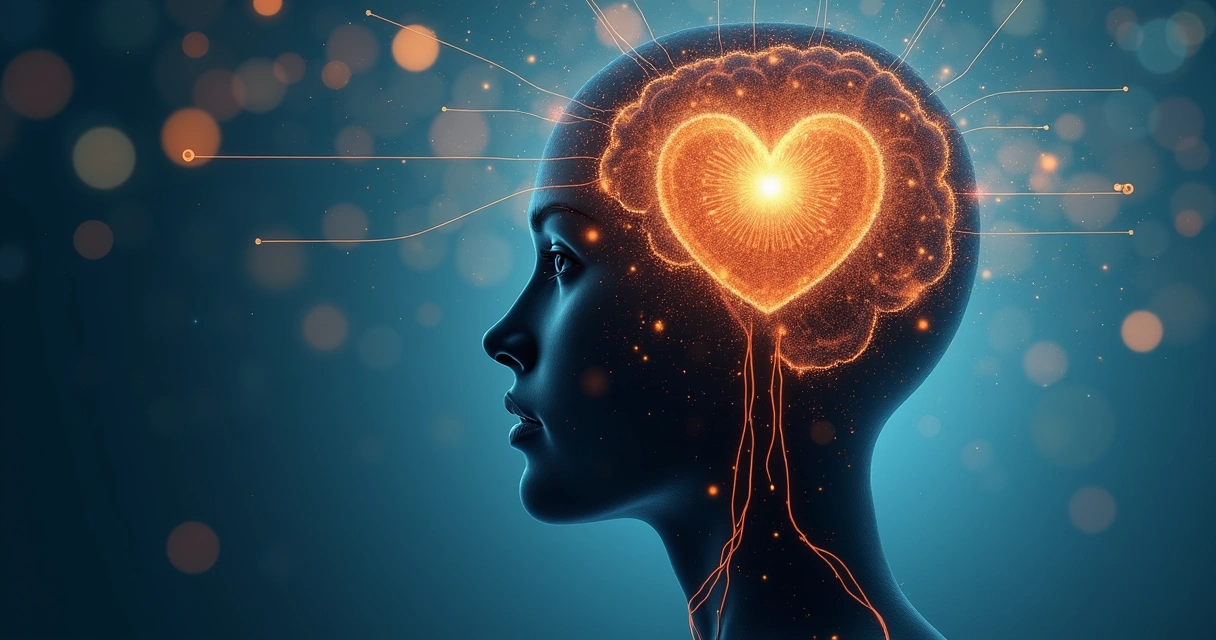
One memorable story involved a leader who hesitated over a partnership. Rationally, the deal looked perfect. But whenever he discussed it, he noticed a tightening in his stomach and a cold sensation in his hands. By slowing down and attending to these signals, he realized there were unspoken risks. This awareness shifted the conversation, leading to a more honest and mutually beneficial agreement.
The body often speaks the truth before the mind catches up.
Aligning decisions with purpose
We also see that embodied consciousness aligns daily decisions with deeper purpose. When we tune in to our bodily signals, we notice whether choices feel authentic, forced, or hollow. This inner alignment has profound effects:
- Decisions match long-term goals, not just immediate pressures
- Stress levels decrease as inner conflict fades
- Relationships strengthen because actions are congruent with values and intentions
- Courage to navigate uncertainty increases
This approach is especially valuable in leadership, parenting, therapy, or any space where the impact of choice ripples out to others. When we make decisions from an embodied, conscious place, we reduce regret and strengthen accountability.
The limitations and pitfalls
While embodied consciousness is powerful, it is not a magic solution. Sometimes the body is tense due to old fears rather than present reality. Unprocessed trauma or bias can cloud signals. That’s why we advocate balancing embodied awareness with critical thought and honest reflection. It can help to ask ourselves:
- Is this sensation based on current truth, or old patterns?
- Am I feeling my own response, or am I absorbing someone else’s mood?
These questions help sort through complex internal data, separating useful guidance from triggered habits.
Conclusion
Decision making is an ongoing process that shapes every aspect of our personal and collective lives. By integrating embodied consciousness, we bring the wisdom of mind, heart, and body to each choice. This approach honors the complexity of being human, respects the signals that often go unheard, and opens the door to more authentic, aligned, and sustainable decisions.
In a world that values speed and certainty, the strength to pause and feel is a rare gift. Listening to the body is not just helpful—it is part of a mature and responsible way of living.
Frequently asked questions
What is embodied consciousness in decision making?
Embodied consciousness in decision making means using awareness of bodily sensations, emotions, and intuitive signals to guide choices, in addition to rational analysis. This approach recognizes that the body offers valuable information about alignment, motivation, and deeper needs that the mind alone might overlook.
How does the body affect choices?
The body communicates through sensations, posture, and emotion. These signals can highlight comfort, tension, excitement, or fear—helping us notice what feels right or wrong in a decision, often before we can explain it intellectually.
Can embodied consciousness improve decisions?
Many experiences and studies suggest that tuning in to embodied signals leads to decisions that feel more authentic, reduce doubt, and match long-term values. It makes it easier to notice hidden concerns, resolve inner conflict, and act with greater transparency.
Is embodied consciousness scientifically proven?
Research in fields like neuroscience, psychology, and somatic therapy supports the idea that bodily awareness and intuition play a meaningful role in decision making. While science continues to uncover details, the positive effects of practices that build embodied consciousness are increasingly recognized.
What are examples of embodied decision making?
Examples include pausing to sense the body before making a career change, noticing gut reactions during negotiations, or using mindful movement to clarify choices. Even small acts like placing a hand on the heart or taking a deep breath can reveal important information when facing a tough decision.