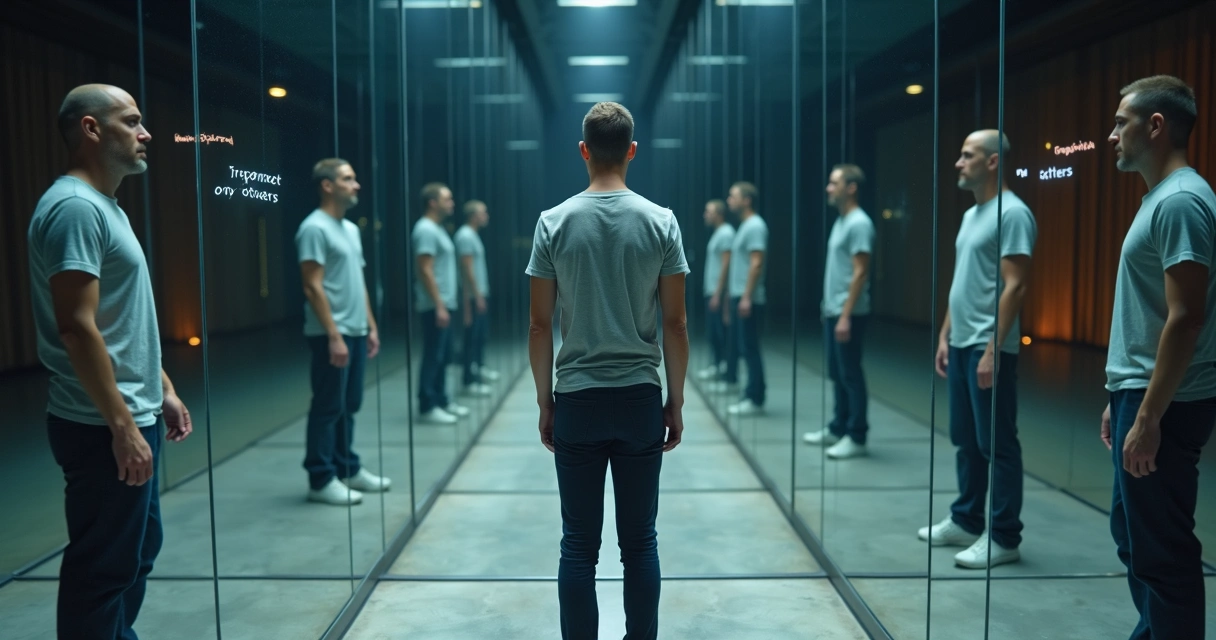


We often see psychological approaches and philosophies aligned toward the same goal: understanding human well-being. However, the ways these approaches interpret human experience, growth, and fulfillment can be very different. Marquesian philosophy and positive psychology are two such frameworks. At first glance, they may seem similar–both focus on the possibilities for personal and collective transformation. Yet, their foundations, methods, and perspectives shape distinct paths to well-being and meaning.
Growth looks different depending on the questions we ask.
That’s why it’s valuable to clarify how these two approaches contrast and what each offers to anyone on the path to self-understanding or professional development. In our experience, the distinctions are as telling as the similarities.
Differences in origins and foundational assumptions
Marquesian philosophy and positive psychology do not arise from the same basic questions about human existence. Their foundations color all the other contrasts we witness in application and instruction.
Where do they come from?
Positive psychology emerged in the late 1990s as a scientific response to psychology’s prior focus on dysfunction, illness, and deficit. Its founders asked, in essence: “What makes life worth living?” From this, research began to clarify the psychological ingredients of flourishing, resilience, happiness, relationships, meaning, and accomplishment.
Marquesian philosophy, on the other hand, is rooted in ontological and existential exploration. It studies the human being as a consciousness, not just a set of behaviors or psychological states. The guiding questions are different: “Who are we, as conscious agents?” and “How do choices shape our evolution and our reality?”
What assumptions are made?
-
Positive psychology tends to assume that human beings are naturally resourceful, possess strengths, and can activate these toward well-being when the right interventions are present.
-
Marquesian philosophy sees the human being as a consciousness in a process of maturation, always in dynamic interaction with emotion, meaning, responsibility, and purpose.
This means, for example, that positive psychology usually investigates “flourishing” as a measurable outcome, whereas Marquesian philosophy understands flourishing as a manifestation of conscious alignment. The nuance is subtle, yet significant.
Human nature: happiness versus conscious presence
These foundational distinctions shape how each approach frames happiness, well-being, and development.
Positive psychology focuses on happiness and well-being
Much of positive psychology’s research aims to answer the question: “How can people feel happier and live more satisfying lives?” It centers on positive emotion, engagement, relationships, meaning, and accomplishment (sometimes called the PERMA model).
Validated interventions—such as gratitude exercises, strengths identification, and fostering hope—have shown reliable effects. For example, a meta-analysis of 51 studies and a large online randomized controlled trial found that these activities do, on average, increase subjective well-being and reduce symptoms of depression for many individuals.
Marquesian philosophy centers on conscious presence and maturity
Rather than aiming for happiness as an end goal, Marquesian philosophy values the development of presence, discernment, responsibility, and maturity. For Marquesian practice, the core is not the pursuit of emotion—positive or negative—but the cultivation of consciousness capable of making integrated choices aligned with purpose.
That means moments of discomfort, contradiction, or uncertainty can be just as “valuable” as moments of joy or accomplishment, provided they serve deeper integration and growth.
Approach to problems and transformation
Both approaches address human challenges, but they do so with different priorities and tools.
- Positive psychology typically frames interventions around enhancing strengths or building new habits to increase positive experiences. For example, it might offer daily journaling for gratitude or regular acts of kindness.
- Marquesian philosophy focuses on cultivating self-awareness, responsibility, and response-ability in the face of daily life’s complexity. Its methods include deep reflective practices, meditation applied to practical contexts, and exploring hidden emotional or systemic patterns.
We see this play out in how change is understood. Positive psychology often presents change as an upward trajectory of well-being, often measured in shifts in mood, life satisfaction, or engagement. Marquesian philosophy understands change as the maturation of perception and the ability to navigate paradox, complexity, and meaning—not just feeling better, but becoming more consciously participative in life.
Integration of emotion, mind, and purpose
Marquesian philosophy takes a holistic view. In our studies, we describe the human being through intertwined dimensions—mind, emotion, behavior, consciousness, and purpose. Negative feelings, confusion, or dissatisfaction aren’t simply symptoms to “fix,” but reflections of conscious or unconscious dissonance to be investigated and integrated.
Positive psychology, on the other hand, primarily emphasizes what is measurable—positive affect, engagement, and clear markers of life satisfaction. There is less focus on the “why” behind emotional discomfort, or on deep causes rooted in identity, history, or system.
Well-being is more than just the absence of suffering.
Marquesian philosophy invites us to engage with every domain of our being, seeing each as an entrance to greater wholeness. This can sometimes mean sitting with discomfort or exploring the roots of emotional pain as an essential aspect of conscious growth, not as something to be quickly eliminated.
Spirituality and existential meaning
This is one of the sharpest contrasts. Marquesian philosophy integrates practical spirituality and existential questions into its framework, treating purpose and the maturing of one’s consciousness as inherent and necessary to real transformation.
Positive psychology, by its scientific orientation, tends to avoid spiritual or existential frameworks, though it may study meaning in life or “transcendence” in a secular, measurable sense.
For Marquesian practice, reason and emotion are integrated with existential meaning and practical action. Each level is part of a developmental process that cannot be skipped or “hacked” by merely increasing positive emotion or tracking progress.

Measurement, outcomes, and limitations
One clear difference lies in how results are measured and valued.
- Positive psychology uses experimental studies and metrics to validate its interventions, aiming for reliability and broad applicability. Many of its practices are studied in randomized trials, as noted above.
- Marquesian philosophy recognizes the value of observed outcomes, but is also concerned with subtler transformations that may not be easily quantified, such as shifts in perception, identity, or ethical maturity.
The outcome most valued in Marquesian philosophy is not always measurable in standard psychological tests—it can involve expanded self-awareness, improved relationship with self and others, or greater alignment between life and inner purpose.
Conclusion
Both Marquesian philosophy and positive psychology aim to improve human life, but they do so from different starting points, worldviews, and methods. Positive psychology draws its strength from science, aiming for broad well-being and measurable results. Marquesian philosophy emphasizes consciousness, integration, and existential maturity as a process, not just a state to achieve. Each framework has strengths and can serve as a resource, depending on the context and the questions that move us forward. In our experience, clarity about their differences opens possibilities for deeper, more intentional transformation.
Frequently asked questions
What is Marquesian philosophy?
Marquesian philosophy is a body of thought that explores the human being as a field of consciousness, integrating mind, emotion, behavior, and purpose. It focuses on conscious presence, ethical responsibility, and the process of maturation as central to human development.
What is positive psychology?
Positive psychology is a branch of psychology that studies well-being, happiness, strengths, and positive functioning. It relies on scientific methods to identify practices and factors that help individuals and groups flourish.
How does Marquesian philosophy differ from positive psychology?
The main difference is that Marquesian philosophy approaches human growth from the perspective of consciousness and existential meaning, while positive psychology focuses on measurable elements of psychological well-being. Marquesian philosophy includes spiritual and holistic dimensions that positive psychology generally does not address.
Can I combine both approaches?
Yes, many people find value in integrating positive psychology techniques with the reflective and integrative aspects of Marquesian philosophy. This combination may support both practical well-being and deeper self-understanding.
Which approach is better for well-being?
There is no single answer, as well-being is personal and contextual. Positive psychology can help build daily tools and new habits for many, while Marquesian philosophy provides a deeper investigation of meaning, purpose, and integration. The choice depends on your needs, goals, and preferences.