


Motivation rarely disappears all at once. In our experience, it fades in layers. First, we feel tired. Then we doubt our choices. After that, even simple tasks start to feel heavy.
Many people try to fix this only with discipline, new goals, or better routines. These can help, but sometimes the drop in motivation is not just personal. It may be linked to hidden bonds, unresolved loyalties, old emotional burdens, or a place we are taking in a system that does not truly belong to us.
Systemic constellation tools help us see motivation as part of a wider relational field, not just a private mental state.
When we look at motivation this way, a new path opens. We stop blaming ourselves so fast. We start asking better questions. What are we carrying? Who are we trying to please? What are we repeating without noticing?
That is where systemic work can be very useful. It does not replace action. It gives action a clearer root.
Why motivation can collapse without a clear reason
There are times when life looks fine on the outside, yet our inner drive is low. We may have skill, time, and even desire, but something does not move. We have seen this happen when a person is unconsciously tied to family pain, conflict, exclusion, guilt, or a silent duty to remain small.
What is unseen can still shape behavior.
Systemic constellation tools help bring these patterns into awareness. In professional settings, the method has also gained space. A 2023 international survey of professionals using the Systemic Constellation method found broad use among coaches, consultants, and therapists, with many respondents seeing it as effective, while also pointing to the need for stronger scientific grounding. We think this balance matters. It invites openness, but also responsibility.
When we approach motivation through a systemic lens, we begin to notice that low energy is sometimes a message, not a failure.
1. Name the system behind the struggle
The first step is simple, but not always easy. We ask: where does this loss of motivation happen most? At work? In relationships? In money matters? In creative life?
Then we widen the lens. We do not look only at the task. We look at the system around the task.
For example, someone may lose motivation every time they are close to success. On the surface, it looks like fear or self-sabotage. In a systemic reading, it may be linked to family loyalty. A person may feel, deep down, that going further than their parents, siblings, or group creates distance or guilt.
We often start with a short mapping practice like this:
Define the area where motivation is weak.
List the main people connected to that area.
Notice repeated feelings, such as guilt, pressure, anger, or sadness.
Ask what story or bond may be acting beneath the surface.
When we name the system, we stop treating every block as a personal defect.
This shift alone can bring relief. It also creates space for a more honest kind of movement.
2. Check whether you are carrying what is not yours
We have seen many cases where motivation returns the moment a person recognizes an invisible burden. Sometimes we carry the grief of a parent, the frustration of a partner, the fear of a family line, or the unfinished ambition of someone who came before us.
That can sound abstract, but the effect is concrete. We feel heavy. We delay. We overthink. We lose force.
One practical tool is representational journaling. We write one sentence for ourselves and one for the burden we may be carrying. For example:
This is my path.
This pain belongs to someone else.
I can honor without repeating.
These phrases are not magic. They are positioning statements. They help us separate love from fusion.
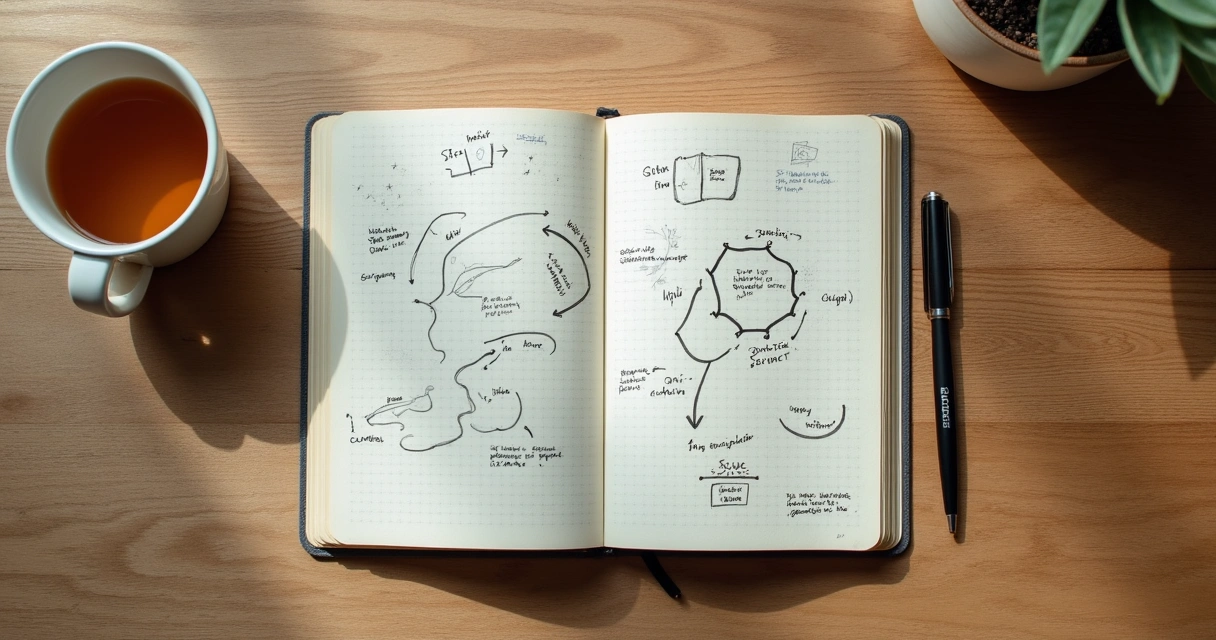
Sometimes motivation drops because our system is saying, “This load is too much.” When we put down what is not ours, energy often begins to return in a quiet, steady way.
3. Restore your place in the system
Motivation gets confused when our inner place is confused. We may act like a rescuer, judge, parent, or outsider when that is not our place. This creates strain. And strain drains drive.
We think this is one of the most overlooked reasons people feel stuck. They are using energy to hold a role that was never truly theirs.
Consider a person who tries to fix everyone in the family. Or a leader who works from the need to be accepted rather than from clarity. Or an adult child who still feels responsible for a parent’s emotional state. In each case, the system is out of order. Motivation becomes mixed with tension.
When we return to our rightful place, motivation becomes lighter because it no longer needs to fight for position.
A simple exercise is to finish this sentence in writing: “My role is...” Then write a second one: “What is not my role is...” The contrast can be surprisingly revealing.
Short. Direct. Honest.
4. Reconnect action with belonging and permission
Many people know what they want, but they do not feel free to want it. This is different from laziness. It is often a hidden split between desire and belonging.
If moving forward feels like betrayal, the body may slow down even when the mind says yes. We have seen this in career changes, new relationships, business growth, and public expression.
In systemic work, we may ask whether the person feels permitted to live with more joy, visibility, or success than those who came before them. If the answer is no, motivation can remain low because each step forward triggers inner conflict.
One gentle tool is a sentence of inclusion. For example: “I carry respect for where I come from, and I allow myself to go further.” This keeps connection while making room for movement.
That matters. People do not thrive well in inner exile.
Permission renews movement.
When action no longer threatens belonging, the system relaxes. Motivation tends to rise with that inner peace.
5. Turn insight into one clean next step
Systemic insight can be deep, but change still needs form. After reflection, mapping, or constellation work, we ask for one grounded next step. Not ten. One.
This step should be small enough to do, but real enough to matter.
Examples include:
Having one overdue conversation.
Finishing one delayed application.
Setting one firm boundary.
Stopping one habit of over-responsibility.
We prefer clean movement over intense promises. Motivation grows when the system sees proof that a new position is being lived, not just understood.

Motivation is renewed when insight becomes embodied in action.
We do not need a dramatic reset. We need alignment, honesty, and a step that matches the truth we have seen.
Conclusion
Motivation is not only a matter of willpower. Sometimes it is tied to hidden system dynamics that shape how much energy, permission, and direction we feel inside. When we use systemic constellation tools well, we can identify burdens, restore place, loosen old loyalties, and move with more coherence.
We believe this approach is valuable because it treats human struggle with both depth and respect. It does not reduce low motivation to weakness. It asks what the inner field is trying to show.
If we listen carefully, motivation can return. Not as pressure. As alignment.
Frequently asked questions
What are systemic constellation tools?
Systemic constellation tools are reflective methods used to reveal hidden patterns in families, groups, work settings, or other relationship systems. They may include mapping, representational exercises, guided sentences, role positioning, and structured observation of relational dynamics.
How do constellation tools boost motivation?
They can boost motivation by showing whether low drive is linked to guilt, misplaced loyalty, emotional burden, or role confusion. Once these patterns become clear, people often feel more energy because their action is no longer blocked by unseen tension.
Is it worth trying systemic constellations?
For many people, yes, especially when motivation issues keep repeating without a clear cause. The value often comes from gaining a wider view of the problem. It helps to approach the method with openness, emotional maturity, and sound judgment.
Where can I learn constellation methods?
You can learn constellation methods through structured training, workshops, supervised practice, and study groups focused on systemic work. We suggest choosing learning spaces that show ethical care, clear boundaries, and real practice time, not only theory.
How fast do results show with constellations?
Results vary. Some people feel an inner shift quickly, especially when a hidden pattern becomes obvious. In other cases, change appears over time as insight is translated into new choices, boundaries, and daily action.