

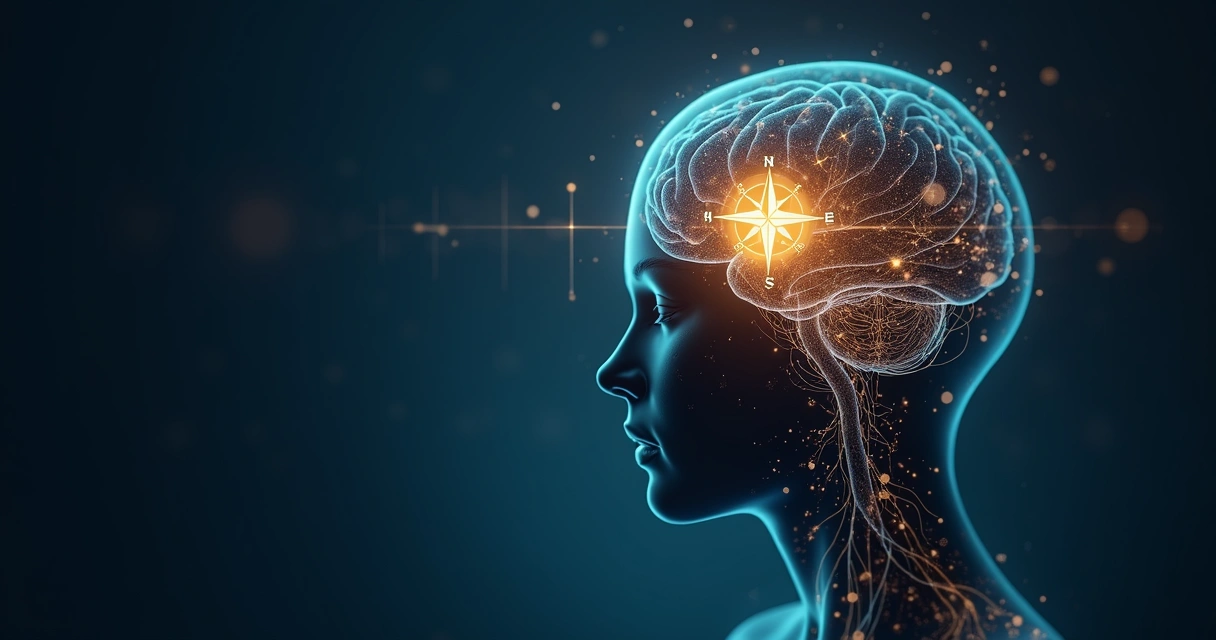
We often feel the difference between drifting through a day and moving through it with purpose. One feels scattered. The other feels directed. This is not only a poetic idea. It has a biological side. Our intentions affect attention, emotion, memory, and action. Over time, they also influence the neural pathways we strengthen.
Intention is the mental act of aiming consciousness toward a chosen direction.
When we say, “This matters to us,” the brain does not treat that statement as empty language. It begins to sort, tag, and prioritize experience around that aim. That is where purpose starts to become structure.
What intention does inside the brain
The brain changes with use. This is one of the clearest findings in neuroscience. Repeated thoughts, repeated emotional states, and repeated actions make some circuits easier to access. Others weaken from lack of use. In simple terms, what we practice, we become more ready to repeat.
Intention matters because it shapes what gets practiced. If we wake up each day with vague fear, we rehearse vigilance. If we act from a clear purpose, we rehearse direction, restraint, and meaning-based choice.
We can think of intention as a filter with three effects:
- It tells attention what deserves focus.
- It gives memory a reason to retain certain cues.
- It prepares behavior before the moment of action arrives.
This may sound subtle. It is not. Many people have had the small experience of setting an intention in the morning, then noticing during the day that they pause sooner, speak with more care, or return to a task with less inner conflict. The shift feels personal, but it is also neural.
Purpose trains attention.
From thought to pathway
A neural pathway is a pattern of communication among brain cells that becomes more likely with repetition. It is not built by a single wish. It is built by repeated alignment between thought, feeling, and action.
Purpose shapes neural pathways when a chosen aim is repeated often enough to guide attention and behavior.
Let us make this concrete. If we hold an intention to respond calmly under stress, several systems begin to take part. We notice bodily signals sooner. We interrupt impulsive speech. We remember the kind of person we want to be. We choose a slower response. One event may not change much. One hundred events can.
This is why intention is more than preference. It becomes a form of training.
Research on prospective memory, which is the ability to remember and carry out future intentions, supports this view. In research on intention formation and later recall, stronger activation during the encoding of intentions in areas such as the hippocampus and rostral prefrontal cortex was linked to a higher chance of later remembering and acting on those intentions. In plain language, when the brain encodes an intention more deeply, later follow-through becomes more likely.
Why purpose changes behavior
Many people fail to change not because they lack desire, but because desire alone does not organize the brain well enough. Purpose does. Desire can be intense and unstable. Purpose is steadier. It gives context to effort.
We have seen this in ordinary life. A person may say they want better health, but skip every routine that supports it. Then something shifts. They connect health with being present for their children, serving well, or living with dignity. The actions begin to hold. The goal became a purpose, and the purpose altered repetition.
There are a few reasons this happens:
- Purpose reduces inner debate by clarifying what matters most.
- Purpose gives emotional weight to habits that would otherwise feel dry.
- Purpose makes setbacks easier to absorb because the path still has meaning.
When these factors combine, behavior becomes less random. This steadiness is one of the ways the brain begins to favor one pathway over another.
The link between emotion and intention
Intention does not work in isolation from emotion. In fact, emotion helps decide whether an intention stays abstract or becomes embodied. If a purpose is emotionally empty, it rarely lasts. If it is tied to values, identity, or care, it gains force.
This does not mean we need high emotion all the time. That would be unstable. It means the brain learns better when purpose has personal meaning. A clear inner reason helps memory and choice join the same direction.
We also need emotional regulation. Without it, strong stress can push us back into old circuits. Under pressure, the nervous system tends to choose what is familiar. That is why calm repetition matters so much. The more often we return to a chosen intention in real situations, the more available that pathway becomes when life feels hard.
Lasting intention is built through repetition under real emotional conditions.
How to train intention in daily life
We do not shape the brain through grand statements alone. We shape it through small acts done with awareness. A practical method works better than an inspiring phrase we forget by noon.
We suggest a sequence like this:
- Choose one intention only. Keep it simple and specific.
- Link it to a value. Ask why it matters to your life.
- Attach it to a cue. A morning breath, a doorway, a meeting, a meal.
- Rehearse the response mentally before the moment arrives.
- Review at night without judgment. Note when you remembered and when you drifted.
This kind of practice works because it brings intention into timing, memory, and action. It turns purpose from an idea into a repeated pattern.
A short story makes this clearer. We once considered the case of a person who wanted to stop reacting sharply in conflict. Instead of trying to “be better” in a vague way, they chose one intention: pause before answering. They tied it to one cue: any rise in chest tension. For a few weeks, the result was uneven. Then the pause started appearing sooner. Not perfectly. But reliably. That is how many deep changes begin, quietly and through repetition.
When intention becomes identity
The deepest shifts happen when intention is no longer something we occasionally remember, but part of who we believe we are. At that point, the brain is not only recalling a task. It is protecting a self-image.
If we see ourselves as honest, attentive, disciplined, or compassionate, actions that fit these traits become easier to maintain. Actions that clash with them create tension. This is one reason purpose can guide long-term growth. It changes not just what we do, but what feels congruent.
Identity-based intention should still stay grounded. We do not need rigid self-definitions. We need living ones. We can say, “We are becoming people who act with presence.” That leaves room for mistakes and still gives the nervous system a stable direction.

Conclusion
The science of intention shows us something both humbling and hopeful. Our inner direction matters. Purpose is not a decorative thought placed on top of life. It is a patterning force. It guides attention, influences memory, shapes behavior, and through repetition helps form the neural pathways that support who we become.
We may not control every feeling or every event. Still, we can train what we return to. We can choose what we rehearse. We can give the brain a direction worth strengthening.
What we repeat, we become.
Frequently asked questions
What is the science of intention?
The science of intention studies how deliberate mental direction affects attention, memory, emotion, and behavior. It looks at how a chosen purpose influences brain activity and how repeated intentional states can support lasting neural and behavioral change.
How do intentions shape the brain?
Intentions shape the brain by guiding what we focus on and repeat. Repeated focus and action strengthen certain neural pathways, making those patterns easier to access in the future. Over time, this can support steadier habits and more aligned responses.
Can purpose improve mental health?
Yes, purpose can support mental health by reducing inner confusion, giving meaning to effort, and helping us organize our choices around values. It does not replace care when care is needed, but it can strengthen resilience, self-regulation, and emotional stability.
How to strengthen positive intentions?
We can strengthen positive intentions by making them specific, linking them to a value, attaching them to daily cues, mentally rehearsing them, and reviewing them with honesty. Small repeated practice usually works better than intense but short-lived motivation.
Why are neural pathways important for intentions?
Neural pathways matter because they make certain thoughts and actions more likely over time. If an intention is repeated often, the brain becomes more prepared to carry it out. This is one of the main ways purpose turns into habit and identity.