


We often say we want change, yet part of us keeps pulling in the other direction. We set goals, make plans, and feel honest in our desire to move forward. Then something happens. We delay. We doubt. We return to old reactions that we already said we wanted to leave behind.
Resistance to change is often less about lack of will and more about hidden beliefs trying to protect our current identity.
In our experience, this is one of the deepest reasons real change feels slow. The mind does not only respond to what we say we want. It also responds to what we quietly believe is safe, deserved, possible, and allowed.
A person may want a healthier relationship, but carry the belief that love always brings pain. Another may want to grow in work, but hold the belief that visibility leads to criticism. These beliefs are not always conscious. Many were formed early, repeated over time, and stored as internal truth.
What is hidden still acts.
What unconscious beliefs really are
Unconscious beliefs are silent conclusions we formed about ourselves, others, and life. We may not hear them as clear sentences in the mind, yet they shape emotion, behavior, and choice.
They are often born in moments of stress, disappointment, shame, fear, or emotional absence. A child who feels ignored may not think, “My needs do not matter,” in exact words. Still, that belief can take root and keep acting for years.
These beliefs usually cluster around a few themes:
- Self-worth, such as “I am not enough”
- Safety, such as “If I relax, something bad will happen”
- Belonging, such as “To be accepted, I must hide who I am”
- Power, such as “I cannot change my life”
We have seen people work very hard on habits while ignoring the beliefs beneath them. That creates friction. The behavior tries to move forward, but the inner map still points backward.
Why the mind resists what we consciously want
The mind prefers what is familiar, even when the familiar hurts. This can sound strange at first. Yet it makes sense. The nervous system reads predictability as safer than uncertainty.
When change threatens an old belief, the system may react as if the person is in danger, even when the new path is healthy.
We once worked with a person who said, very sincerely, that they wanted more peace. But every time life became calm, they created tension with overthinking, conflict, or urgent tasks. Calm felt empty. It even felt unsafe. Under that pattern was a hidden belief: “If I am not alert, I will be hurt.”
So the resistance was not irrational. It was organized around protection. That is why force alone rarely works. If we treat resistance like laziness, we miss its inner logic.

How unconscious beliefs show up in daily life
Most people do not notice unconscious beliefs directly. They notice their effects. The pattern appears in repeated reactions that seem to have a life of their own.
Some common signs include:
- Starting with energy, then quitting when results begin to appear
- Feeling guilt when resting, receiving, or being recognized
- Choosing relationships that repeat old emotional pain
- Overplanning as a way to avoid taking one real step
- Saying “I do not know why I did that again” after the same mistake
We think this is where many people become too hard on themselves. They assume the issue is weak discipline or lack of character. Sometimes it is not that at all. Sometimes the behavior is loyalty to an old inner rule.
And these rules can be very strict. If we unconsciously believe that success brings rejection, then every step toward growth may trigger anxiety. If we believe that changing means betraying our family, values, or past identity, then progress may come with hidden guilt.
Where these beliefs come from
Unconscious beliefs are shaped through repetition and emotional impact. A single event can mark us, but repeated emotional experiences usually build stronger patterns.
In our view, these beliefs tend to come from a mix of sources:
- Early family dynamics and what was rewarded, ignored, or punished
- School and social environments that defined who we had to be
- Painful relationships that left strong emotional conclusions
- Cultural messages about value, failure, love, and success
Not every belief formed in the past is false. Some helped us adapt. That matters. We should not treat every coping pattern with contempt. Many of them were intelligent responses at the time.
A belief becomes a problem when it keeps protecting an old version of us at the cost of our present life.
How real change begins
Real change often begins with honest observation, not instant action. Before we replace a pattern, we need to see what inner promise that pattern is trying to keep.
We can start with simple questions:
- What do I say I want, but keep resisting?
- What emotion appears when progress gets real?
- What might I be afraid would happen if I truly changed?
- What old belief would that fear reveal?
This kind of reflection can be uncomfortable. We may meet grief, anger, or shame. Still, that discomfort is often part of truth coming into view.
Once a belief becomes visible, we can test it. Is it fully true now? Where did we learn it? What evidence keeps it alive? What would a more mature and grounded belief sound like?
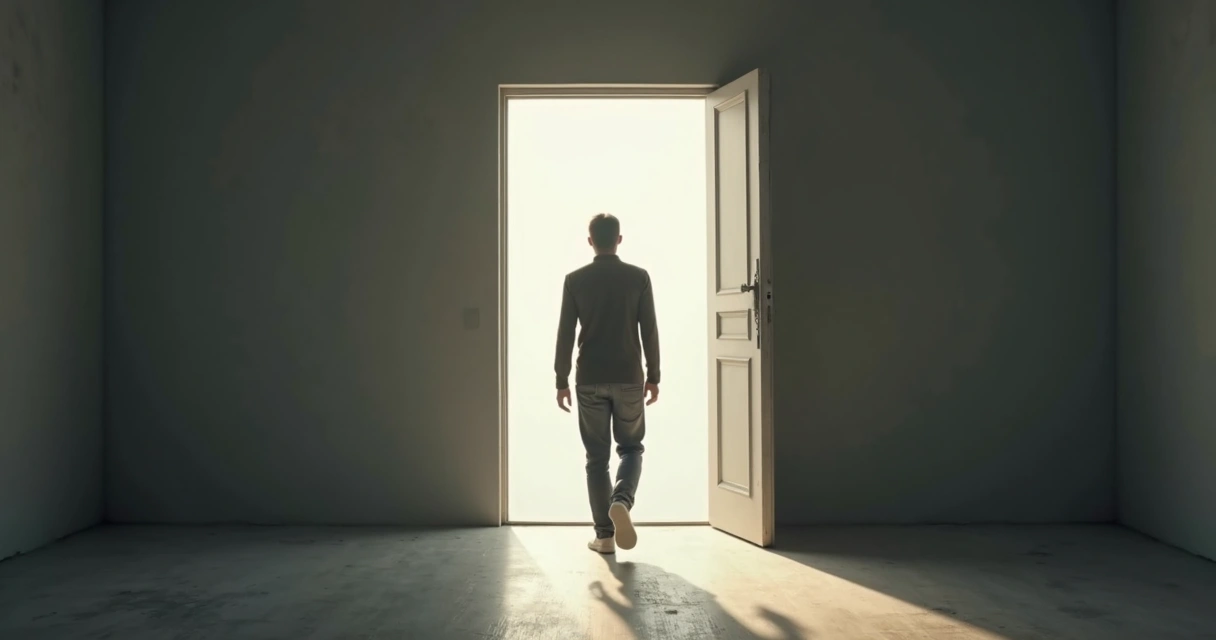
Change grows through repetition. Not forced positivity, but repeated contact with a more honest reality. If an old belief says, “My voice does not matter,” then every clear and respectful act of expression begins to loosen that structure.
What helps beliefs shift in practice
We have found that belief change is stronger when it includes mind, emotion, and behavior together. Insight alone is helpful, but it is not always enough. The body also needs new experiences of safety and coherence.
Useful practices may include:
- Writing recurring thoughts after emotional triggers
- Tracking moments of self-sabotage without self-attack
- Practicing stillness to notice automatic reactions sooner
- Having honest conversations that challenge old fear patterns
- Taking small actions that prove a new belief can be lived
There is no need to rush this process. Fast change can look good from the outside while staying shallow inside. We prefer change that becomes stable because it is rooted in awareness.
Conclusion
Resistance to change is not always opposition to growth. Often, it is the expression of unconscious beliefs that formed around survival, belonging, or pain. When we bring those beliefs into awareness, resistance begins to make sense. And when it makes sense, it becomes workable.
We do not change deeply by fighting ourselves. We change by seeing what has been running in silence and meeting it with clarity, honesty, and steady practice.
Lasting change begins in what we are willing to see.
Frequently asked questions
What are unconscious beliefs?
Unconscious beliefs are hidden ideas we hold about ourselves, other people, and life. They usually form through past emotional experiences and keep influencing our choices without our full awareness. They can shape how we love, work, react, and set limits.
How do unconscious beliefs block change?
They block change by making new actions feel unsafe, wrong, or undeserved. Even when we want to grow, an old belief may trigger fear, guilt, doubt, or avoidance. This creates inner conflict and can lead to self-sabotage, delay, or repeated setbacks.
How to identify my unconscious beliefs?
We suggest paying attention to repeated patterns, especially where you feel stuck. Notice situations that trigger strong emotion, recurring fears, or behaviors that contradict your goals. Journaling, reflection, and honest self-observation can help reveal the belief behind the pattern.
Can I change my unconscious beliefs?
Yes, unconscious beliefs can change. The process usually starts with awareness, then moves through emotional processing and new behavior. As we question the old belief and build lived evidence for a new one, the internal pattern begins to weaken and shift.
Why is change so difficult sometimes?
Change is difficult because it does not affect only habits. It also touches identity, memory, emotion, and safety. If a deeper part of us believes that change brings loss or danger, we may resist even positive steps. That is why real change asks for patience and inner work, not only willpower.