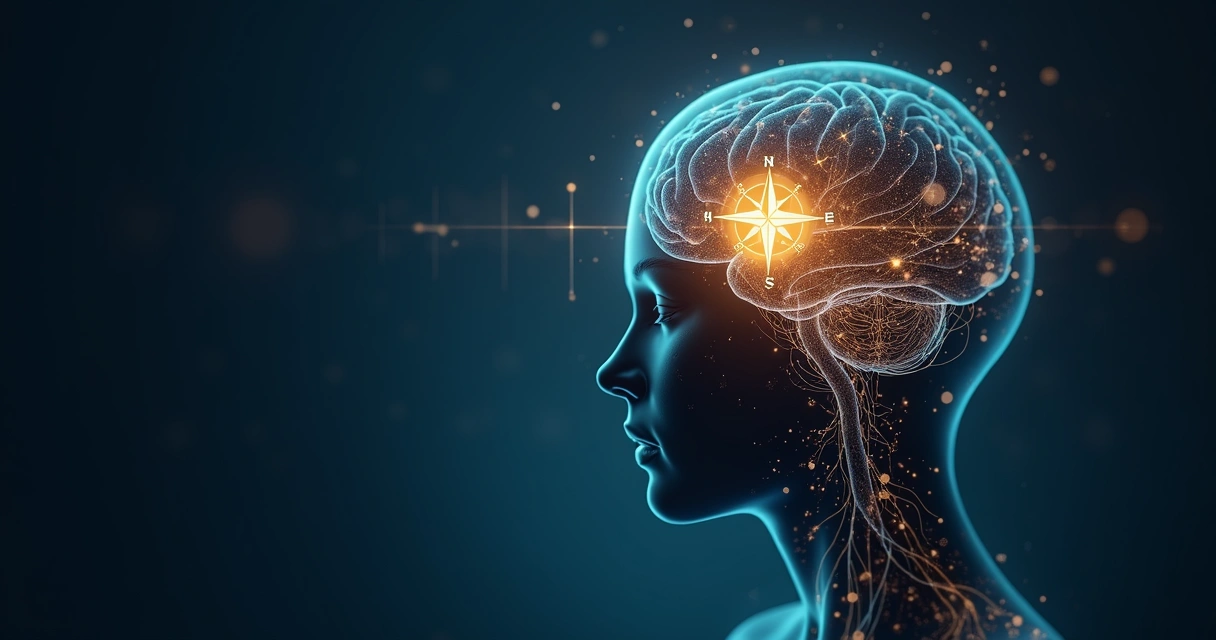

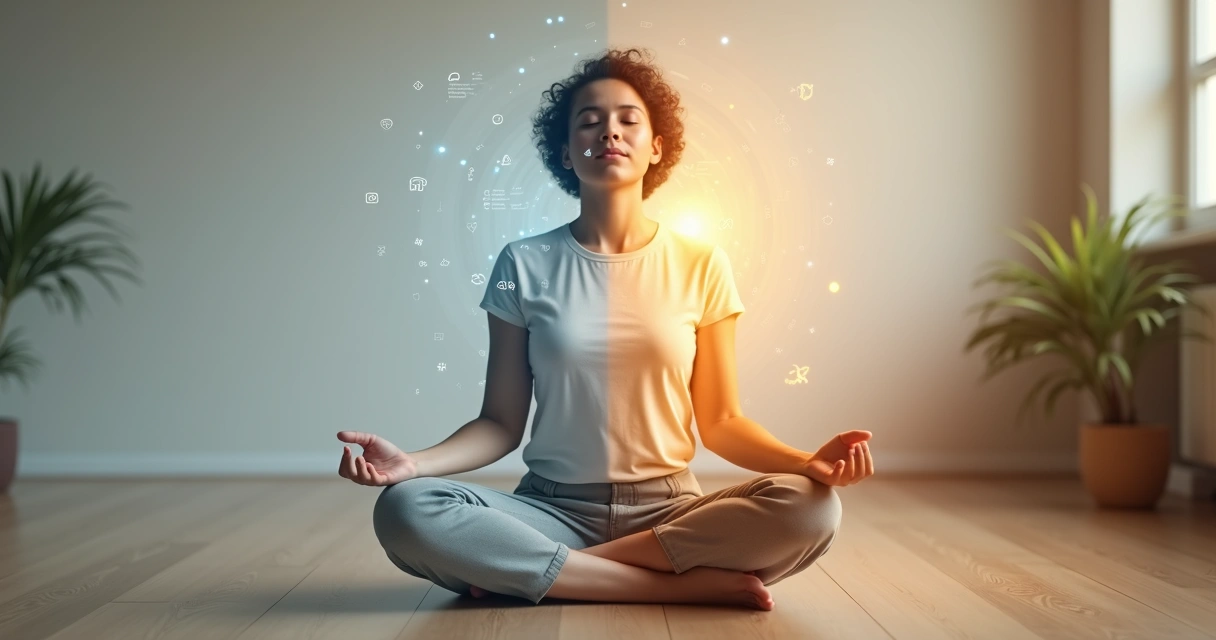
We often hear that mindfulness can be the gateway to living fully, feeling calmer, and responding wisely to life's pressures. Most popular training teaches us to pay attention, on purpose, to our thoughts and bodily sensations. And yes—this practice changes lives. Yet, over years of study and work with real people, we see the same blind spots again and again. Mindfulness, when stripped to its basic techniques, leaves something out. That something is embodied consciousness.
Understanding embodied consciousness
We say “embodied consciousness” and perhaps it sounds mysterious, even philosophical. But its meaning is practical and direct. Embodied consciousness is the lived sense that our awareness is shaped, not just by the mind, but through the body—its movements, patterns, and presence within its world.
We are not minds floating in space. We are living, sensing bodies.
This is not just about noticing tight shoulders or warm hands during meditation. When we recognize embodied consciousness, we touch the full experience of being alive. The body is where emotions form, where we relate to others, and where our choices take shape. Our history—joys, traumas, relationships—lives inside us, not only as stories but as muscle memory, postures, and even gut feelings.
What typical mindfulness training focuses on
Many programs teach us to observe our thoughts and feelings with acceptance. We’re led to anchor attention in sensations, often by focusing on the breath or body scans. Among the benefits, people often mention:
- Reduced anxiety
- Greater clarity in decision-making
- Better emotional self-regulation
These are valuable. But, as we have noticed, the structure usually stays at the surface—training our capacity to keep attention in check, and to respond less automatically.

The gap: where mindfulness training stops short
Yet, in our experience, when people practice mindfulness as an exercise of “watching the mind,” they often miss a deeper opportunity.
Most mindfulness approaches separate the “neutral witness” from the world of action and sensation.But awareness isn’t just about watching thoughts pass by, like clouds. We find the real transformation comes when awareness meets the body's lived reality. Our attention goes beyond observation and becomes participation. That is the field of embodied consciousness.
The missing depths
“Embodied” means more than noticing your breath. It is sensing how past experiences live in your gestures—how your language, posture, and micro-movements shape your identity. For example:
- Do you lean away in conflict, with tension gathering in your chest?
- Does nervousness show up as shallow breath and tight hands in conversation?
- Are your choices sometimes guided by subtle, barely conscious patterns in your stomach or spine?
Standard training rarely guides us here. It usually highlights observation, but spends little effort in helping us relate to those micro-expressions of experience.
How embodied consciousness rewrites our awareness
When we become present in the body, not as an object but as a living field, our experience changes. We start to notice:
- The way emotions flow in real time—anger as heat in the chest, sadness as heaviness in the jaw
- The shape of our breath during joy, or stress, or anticipation
- How unspoken assumptions hide not only in our mind, but in our posture and movement
Here, attention is no longer only a spectator. The body helps us feel what is true before we can explain it. When we enter this field, conscious action becomes possible. The change is not in “what we notice” alone, but in how we participate with ourselves, others, and our environment, moment to moment.
The body is the language of the unconscious.
Why embodied consciousness matters for genuine transformation
Over and over, we see clients, leaders, and groups return to old patterns, even after mindfulness training. Why?
Because deep-seated reactions are not just thoughts. They are embodied habits—patterns rooted in neural pathways, muscle tension, facial expression, and breath.
Transformation happens through integration, not by escaping or silencing discomfort.Embodied consciousness allows for three key shifts:
- From analysis to direct experience: Instead of analyzing feelings, we sense them directly as bodily reality.
- From observation to participation: We learn that responding skillfully means “being with” our emotions—not simply labeling them.
- From mental control to embodied presence: True ease comes when our awareness includes—not excludes—the body’s expression.
Applying embodied mindfulness day to day
So how can we practice embodiment, not just “mindfulness of the body”?
- Notice posture when you make decisions. Where is your weight? Are you tense or loose?
- Feel the breath just before you speak—fast, slow, deep, shallow? Let the body lead, not just the mind.
- Pause and notice micro-movements when emotions rise: the tightening of fists, shifting feet, or averted gaze.
- Ask: “How do I know this feeling is here?” Attend to the physical trace, not just the story about it.
- Practice slowing down before reacting. Invite the body to inform your next action.
From awareness to integration
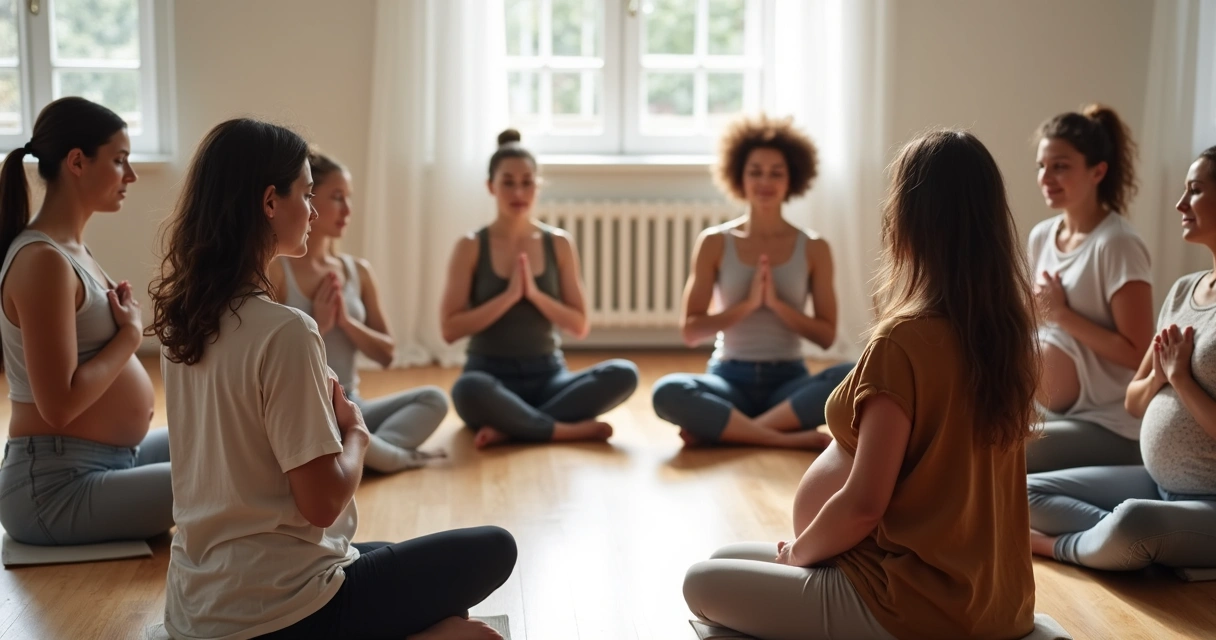
As we see it, the journey does not end with noticing sensations. It develops as we learn from the body, let it shape our choices, and honor its wisdom as a guide. Embodied consciousness is not a technique. It is an ongoing relationship—between mind, body, emotion, and the world we inhabit.
The deepest awareness is always embodied.
Conclusion
Mindfulness opens the door, but it is not the full house. Without embodied consciousness, we can remain spectators in our own lives—watching, but not really changing. Embodied presence returns us home: to a life that is lived, felt, and expressed, not only observed. When we train ourselves to listen and respond from the whole of our being, true transformation is possible. That is the gift we want for ourselves, and for others.
Frequently asked questions
What is embodied consciousness?
Embodied consciousness is the direct awareness that our mind, emotions, and body are deeply connected, shaping how we experience life. This means our feelings and decisions are not only mental or emotional but lived through posture, breath, sensation, and movement. It is the sense that we exist as whole beings, not only as thoughts in our head.
How does mindfulness relate to the body?
Mindfulness often involves noticing bodily sensations to anchor attention in the present. Practices like mindful breathing and body scans help us become more aware of physical experience. However, these can stop short of helping us truly participate and learn from our body's wisdom. Embodied mindfulness goes further, focusing on active engagement and integration of sensations, movements, and emotions as they arise in daily life.
What does mindfulness training often miss?
Many mindfulness programs miss the depth of embodied experience, where change is not just noticed but lived and integrated through the body. They may teach us to observe thoughts and sensations, but often do not show how our actions, habits, and emotions live in bodily patterns and relationships. This gap makes it harder to shift deep behavior or connect more authentically.
Is embodied awareness worth practicing?
Yes, embodied awareness can be deeply supportive. It helps us notice patterns, respond with greater presence, and connect emotionally in real-life situations. Many people find that including the body in mindfulness leads to more sustainable change, resilience, and authenticity in both personal and professional contexts.
How can I improve embodied mindfulness?
You can improve embodied mindfulness by regularly checking in with your body, especially in moments of stress, emotion, or decision. Practice slowing down to sense breath, weight, posture, and tension. Try gentle movement or mindful walking with attention on bodily feedback. In conversation and work, notice your embodied reactions and use them as information for more conscious choices. Over time, this builds a living awareness that connects inner and outer experience.