


In a world where the need for long-lasting social change is pressing, we often see efforts fall short when traditional evaluation methods are used. When we look closer, we realize that what is missing is not the passion, but the ability to truly measure value beyond numbers. Systemic valuation is a response to this gap. It seeks to capture the wide spectrum of human, organizational, and societal transformation that social impact projects can foster.
Understanding systemic valuation
Before we take action, it’s helpful to shape a shared understanding. Systemic valuation means assessing value within projects by looking at the relationships, interconnections, and deeper patterns influencing results, not just the surface-level outcomes. It recognizes that social projects exist in a web—where each action triggers responses in people, groups, and systems.
Traditional approaches might measure how many children received meals or how many trees were planted. Systemic valuation asks: What changed in the community’s sense of agency? Did trust grow between neighbors? Did new leaders emerge, or did teamwork strengthen?
With this viewpoint, we begin to see value not as a single fixed point, but as a growing field—alive and constantly shaped by how its parts relate.
Why systemic valuation matters in social projects
For years, we have seen passionate teams deliver projects with noble intentions, only to realize later that distant social patterns remained untouched. Some projects multiplied outputs but left communities dependent rather than empowered. Others inspired invisible ripples of confidence, courage, or cooperation, yet went unnoticed simply because they defied easy measurement.
The biggest changes are often the hardest to measure.
This is why we believe systemic valuation is necessary in social impact work. It brings attention to invisible assets: trust, accountability, emotional climate, cultural adaptation, and collective purpose. In our experience, by shifting focus to these interconnected elements, projects can:
- Align intervention with real community needs
- Cultivate capacities that last beyond the project itself
- Offer feedback on what is truly shifting in group dynamics
- Create a new language between donors, communities, and implementers
Key principles of systemic valuation
Systemic valuation is not a formula—it is a stance, a lens, and a practice. For those ready to apply it, we always start with a few core principles that shape reliable work:
- Holism: We assess the project as part of a system, not as an isolated event. Every stakeholder, history, and relationship counts.
- Relationality: We look at how things connect and shift together—not just at individual results.
- Process-orientation: Value is not only about ends, but about how the journey shapes mindsets and behaviors.
- Subjectivity and context: We recognize that value can be felt, lived, and spoken—sometimes beyond numbers. Listening to stories and perceptions is as significant as counting outputs.
- Responsibility and purpose: Valuation is guided by an intention to foster long-term autonomy, dignity, and meaning in the systems we touch.
Steps to apply systemic valuation
How do we move from theory to practice? There is no single path. Yet, over time, some concrete steps have helped us ground systemic valuation in real projects:
1. Map the system before acting
The first task is mapping. Not only stakeholders, but stories, histories, power flows, and cultural signals. We seek to understand who is involved, who is influenced, and who holds informal influence. This reveals both strong and fragile connections.
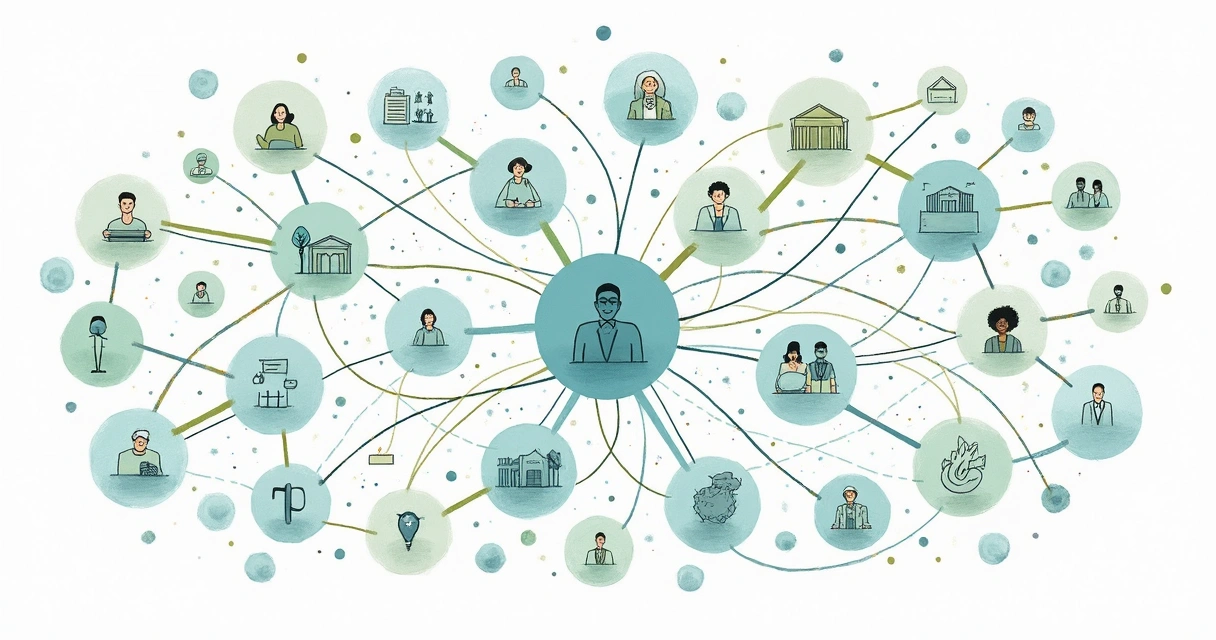
After mapping the obvious and less visible actors, we look for feedback cycles. For example, how does a new youth center shift the flow of resources and responsibilities in the local economy? Is someone left out of the conversation? This close look helps surface leverage points for authentic change.
2. Define value together
Here, we challenge the urge to decide for others what “success” looks like. We listen. We ask community members, project staff, and even skeptics: What do you want to see? How does positive change feel? What does dignity mean in this context?
This collective definition often leads to unexpected indicators—such as increased neighborly help, willingness to share, or informal knowledge spreading—that enrich the evaluation later.
3. Observe the process, not just the result
Systemic valuation puts focus on the path. We watch how conflicts are handled, what new habits or routines take shape, and how emotions evolve over time. Sometimes, the story of a community overcoming a setback says more than a chart of activities delivered.
4. Mix data sources: numbers and stories
Standard measurement tools still matter, but they are joined by narrative accounts, group reflections, body language observations, and participatory mapping. We draw on a wide toolkit, such as:
- Group interviews and open forums
- Story circles and collective timelines
- Relational mapping sessions
- Behavior change tracking (e.g., school attendance with context)
This blended approach builds a richer, more grounded value portrait.

5. Discuss findings and grow capacity
Instead of framing valuation as a report card, we bring findings back for dialogue. We gather everyone: community, donors, project team. We present not only “what happened,” but “how things changed beneath the surface.”
This learning moment builds collective insight. Communities often realize they have gained not only tangible resources, but also confidence, cohesion, new leaders, or even a stronger voice in shaping future interventions.
6. Adapt and sustain the learning
Finally, we see valuation as a start, not an end. With shared insights, we help shape next steps—adjusting plans, supporting new leaders, or co-designing the future. The system keeps moving, and our approach adapts with it.
Conclusion
Systemic valuation stands as a way to honor the rich layers of change present in every social impact project. By looking beyond basic metrics and focusing on relationships, invisible shifts, and shared meaning, we nurture efforts that can last. When we apply systemic valuation, we choose to see, measure, and encourage the deeper transformation that communities truly need.
Frequently asked questions
What is systemic valuation in social impact?
Systemic valuation in social impact means assessing the worth and effects of a project by considering both visible results and the broader connections, relationships, and underlying patterns within the community and its systems. It goes beyond counting outputs and recognizes intangible shifts like trust, participation, and behavioral change.
How to use systemic valuation methods?
To use systemic valuation, we begin by mapping the environment, engaging all stakeholders, and together defining what meaningful value looks like. We mix quantitative data (such as surveys) with qualitative tools (such as group stories, observation, and reflective dialogue) to capture a broad view. Findings are shared for group reflection, leading to ongoing adaptation.
Why choose systemic valuation for projects?
Systemic valuation allows project teams to capture both visible and invisible changes, including trust, empowerment, and community capacity, instead of just outputs or numbers. This ensures projects create deeper, long-lasting impact and helps all stakeholders truly understand the transformation taking place.
What benefits does systemic valuation offer?
Systemic valuation builds collective ownership, uncovers new assets (like local leadership or improved relations), and provides insights that spur further learning and sustainable impact. It aligns interventions with real needs and amplifies the positive ripple effects of social projects across generations.
Is systemic valuation worth the effort?
Yes. Systemic valuation provides a fuller, truer picture of what social projects are achieving, often revealing strengths and possibilities that would remain unseen using only traditional measurement. The process can strengthen trust and engagement with communities, leading to more lasting and meaningful change.