In our daily lives, so much of what we think and do seems automatic. We believe our reasoning is fair, our choices are logical, and our judgments are based on facts. Yet, beneath the surface, unconscious biases silently mold our perceptions and guide our decisions. While these biases serve as mental shortcuts, they can also lead us off course, affecting not just our individual outcomes but shaping group and societal realities as well. In this article, we want to show how unconscious bias works, why it matters, and what we can do about it.
Understanding unconscious bias
Unconscious biases are mental associations or attitudes that affect our understanding, actions, and decisions in a way that occurs outside our conscious awareness. These rapid judgments are rooted in past experiences, culture, upbringing, and even the media we consume. We all have them, and they exist even when we believe ourselves to be open-minded and objective.
Unconscious bias is not a sign of bad character, but a product of the way our brains process information quickly and efficiently. Although this can be helpful for routine tasks, it becomes problematic when these shortcuts guide us toward unfair, inaccurate, or even damaging conclusions and behaviors.
The origins of unconscious bias
To understand why these biases form, we can look to our evolutionary history and our personal stories. Our brains evolved to identify patterns and make quick judgments for survival. In today's world, these same mental processes transfer to far more complex situations than simply reacting to danger.
- Our upbringing provides the first clues about what is “safe,” “normal,” or “valuable.”
- Society pours in layers of beliefs about gender, race, ability, status, and more.
- Personal experiences and repeated messages reinforce associations, even if those associations are not true.
Without realizing, we learn what to expect and “who fits” certain ideas or roles. Later, these shortcuts show up in ways we may never consciously notice.

How do unconscious biases show up in daily life?
Often, unconscious bias works quietly. We give preference to certain people, overlook others, make snap judgments, and sometimes miss important perspectives. These effects can sneak into all corners of life:
- Work: Deciding whom to hire or promote, or which projects deserve most attention.
- Relationships: Choosing whom to trust, listen to, or spend time with.
- Learning: Expecting certain levels of ability based on background, not actual performance.
- Leadership: Defining “good” leadership in a way that quietly favors one group over others.
- Problem-solving: Ignoring solutions that come from unexpected sources or challenge old beliefs.
These small decisions add up, moment by moment. What feels like a single choice actually becomes a pattern over time.
The ripple effect: from the personal to the collective
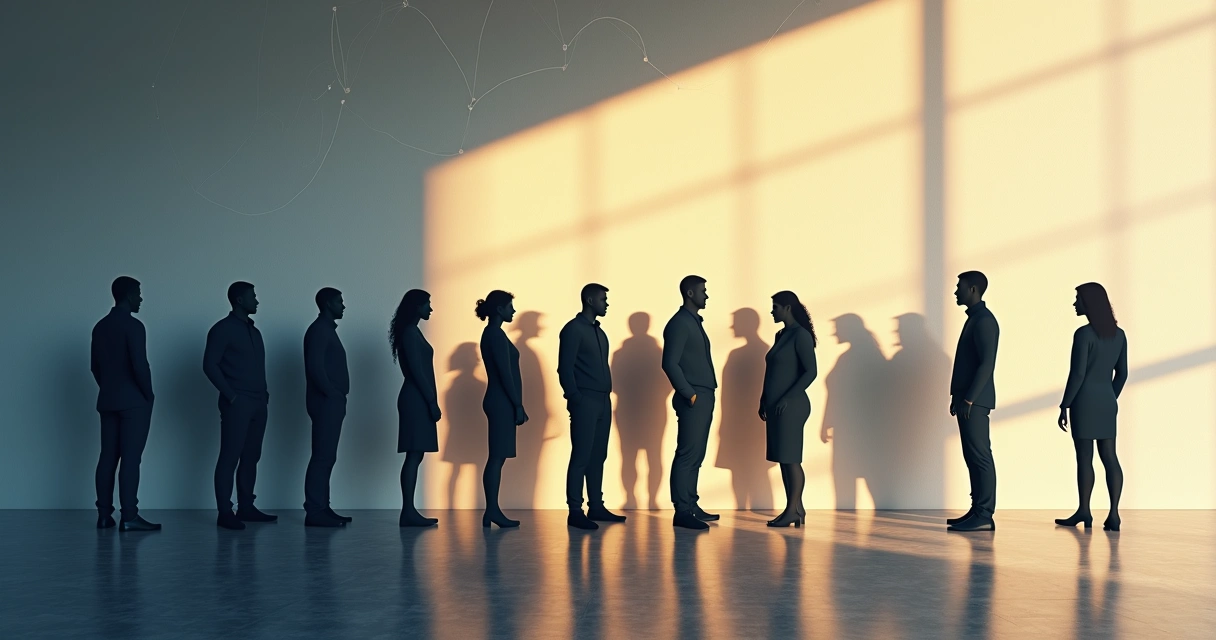
Individual biases don’t stay private. When groups share the same hidden patterns, those biases take on greater power. In our experience, collective outcomes are shaped by these invisible forces.
Unseen assumptions can shape policies, group culture, and even entire social systems. That is how “the way things are done” often misses real talent, stifles innovation, or unintentionally upholds unfair barriers.
In organizations or teams, unconscious bias can create echo chambers. Decisions keep favoring what feels familiar. Diversity of thought, background, and perspective gets lost. Sometimes, the most transformative ideas are sidelined simply because they do not fit predictable molds.
Types of unconscious bias
While biases come in many forms, a few types keep surfacing in both research and real life. Here are some we encounter most often:
- Affinity bias: Preferring people who are similar to ourselves, often in background or outlook.
- Confirmation bias: Filtering new information to confirm what we already believe, ignoring what doesn’t fit.
- Halo effect: Letting a single positive trait “spill over” and shape our entire impression of someone or something.
- Attribution bias: Explaining our own errors as situational, but blaming others’ mistakes on their character.
- Stereotype bias: Making assumptions about individuals based on group identity, regardless of facts.
These are only a few, yet each can limit possibilities and reinforce old cycles.
Why do these biases matter?
They matter because they influence real outcomes, often in ways we do not recognize. Whether in hiring, education, or daily interactions, unconscious bias shapes opportunities, undermines relationships, and impacts group performance. Teams miss out on valuable perspectives. Individuals feel unseen or misunderstood. Progress slows. Sometimes, real harm is done.
Steps toward awareness and change
We cannot erase all bias completely, but we can bring more of it into awareness. By naming and noticing where our patterns show up, we create space for more aligned decisions. Here are steps we recommend:
- Pause before big or repeated decisions. Ask: “What assumptions am I making?”
- Gather diverse opinions, especially those that challenge your own point of view.
- Reflect on your habits—who do you mentor, consult, or spend time with?
- Invite feedback. Trusted people can often spot our “blind spots” before we do.
- Keep learning. Bias is a moving target, showing up in new and unexpected ways as situations change.
Catch the pattern before it catches you.
Moving forward, together
Shifting unconscious bias is not only a personal journey. It is a collective responsibility. By becoming more curious, questioning our patterns, and listening deeply, we expand what is possible for ourselves and the groups we join.
Noticing unconscious bias is a mark of growth, not guilt. When awareness is present, real change starts to become possible, both for ourselves and for those around us.
Conclusion
Unconscious biases shape the way we see the world, make decisions, and interact with others. While they begin beneath our awareness, they can leave very real footprints on our lives and environments. Our choices, big and small, can create or break cycles of fairness and connection. If we practice pausing, questioning, and including new perspectives, we reshape the future—one moment at a time.
Frequently asked questions
What is unconscious bias?
Unconscious bias refers to automatic attitudes or stereotypes we hold that affect our understanding, actions, and decisions without our conscious awareness. These biases form from our past experiences, societal influences, and mental shortcuts. While often unintentional, they can shape how we perceive and interact with others.
How can I identify my biases?
To identify your biases, start by becoming aware of recurring thoughts, judgments, or patterns in your reactions. Ask yourself questions about your preferences or discomforts in certain situations. You can also seek feedback from trusted people, reflect on your past decisions, and participate in activities or workshops about diversity and inclusion.
Why do biases affect decision making?
Biases shape decision making by acting as mental shortcuts, allowing us to make quick judgments based on past experiences or stereotypes rather than objective facts. This can lead us to favor familiar people or ideas, dismiss new information, and unknowingly reinforce existing patterns.
How to reduce unconscious bias?
We can reduce unconscious bias by pausing before decisions, seeking feedback, inviting diverse perspectives, reflecting on our habits, and staying curious. Education and training about biases also help, but practical, ongoing self-awareness is most useful for meaningful change.
Can unconscious bias impact group outcomes?
Yes, unconscious bias can shape the culture, direction, and outcomes of groups or organizations by narrowing what ideas are heard, who is included, and how decisions are made. This can limit growth, reduce innovation, and affect who feels valued or empowered within a group.