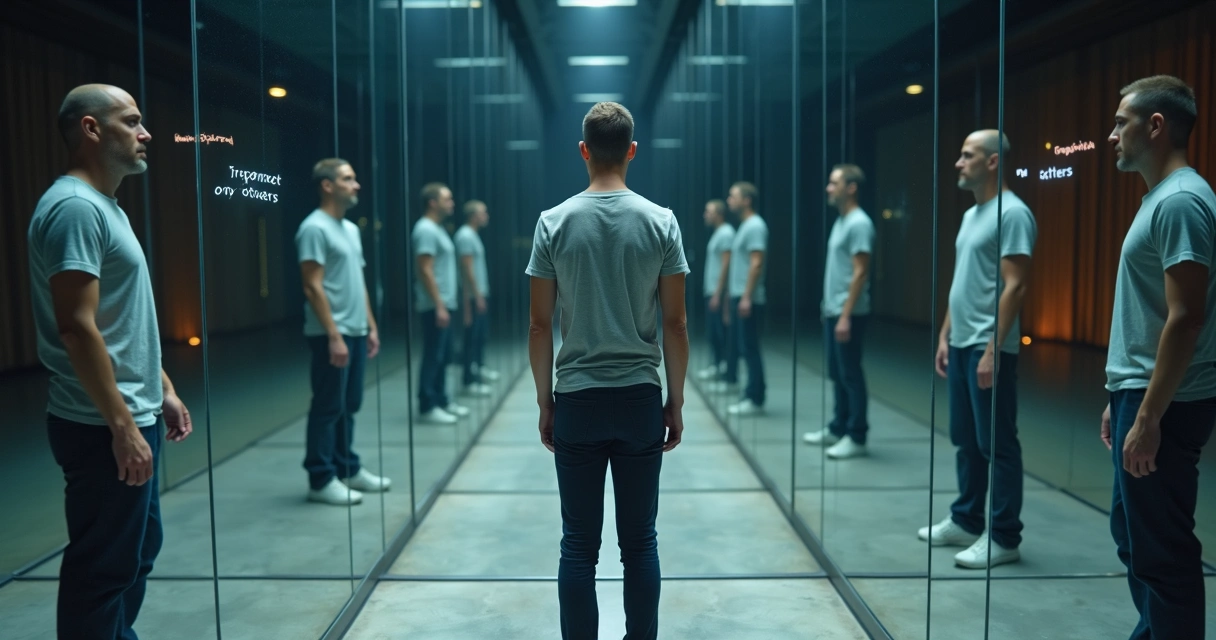

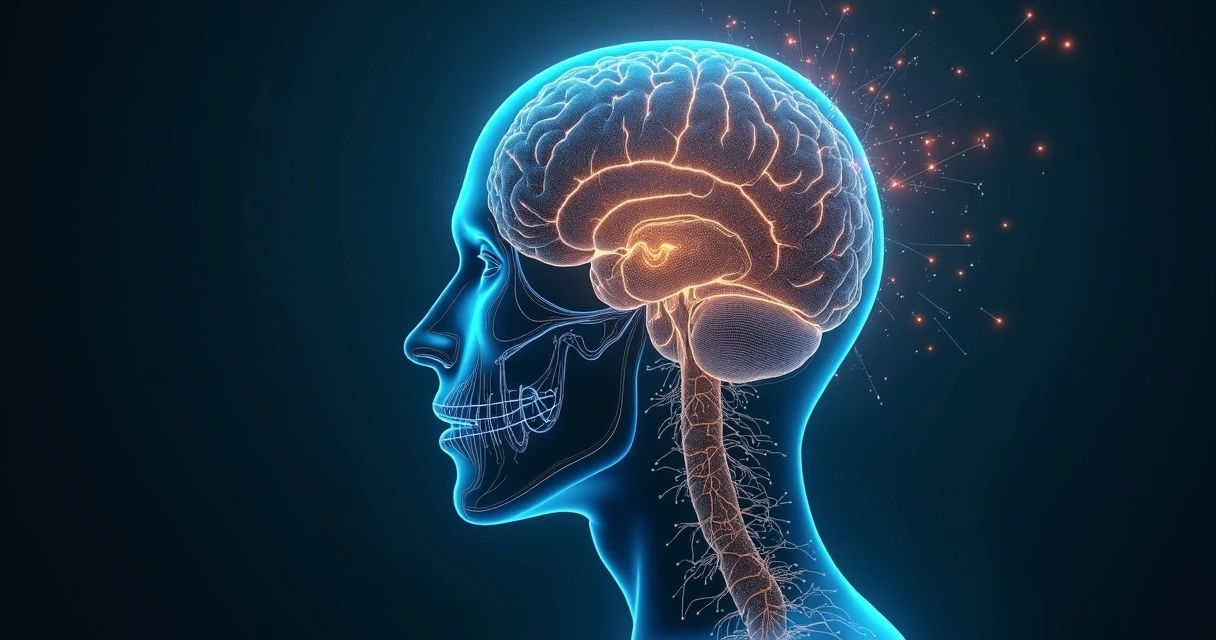
How do we change? What moves people to shift their actions, habits, or even their inner experience? These classic questions have often been surrounded by mystery, opinion, and cultural belief. Today, neuroscience pulls back the curtain, offering us a clear view into how consciousness shapes behavior, and how our brains respond when we try to create lasting transformation.
Understanding consciousness through the lens of neuroscience
When we speak of consciousness, we often point to self-awareness, presence, and the ability to choose. But from a scientific perspective, consciousness also involves patterns of brain activity that let us notice, experience, and direct our focus.
Neuroscience shows that consciousness is not a single thing found in one spot in the brain. Instead, it emerges from the dynamic interaction of different neural networks. Processes like attention, memory, emotion, and self-reflection work together, making it possible for us to be aware of ourselves, our thoughts, and our environment.
Consciousness is the field where decision and change begin.
According to research, the brain maintains two main operating modes. One is default—habit, routine, the “autopilot” running most of our day. The other is conscious—active attention and intentional change. The bridge between these modes is the key to transforming any behavior.
The brain’s architecture for change
So, what actually happens in the brain when we try to change behavior? Let’s map it out:
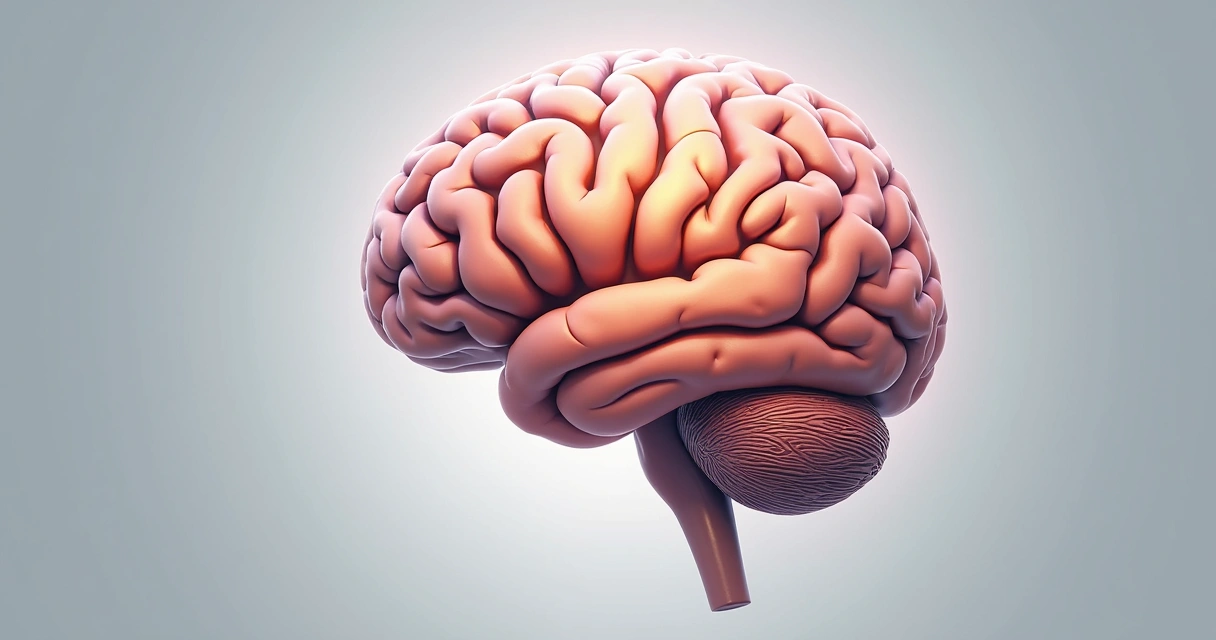
- The prefrontal cortex manages conscious thought, planning, and self-control. When we reflect or decide to change, this area activates, giving us the moment-to-moment ability to monitor and direct our actions.
- The limbic system, including the amygdala and hippocampus, holds our emotional responses and memories. These structures influence why certain behaviors are hard to change—they “store” our emotional habits.
- The basal ganglia is the seat of routine. Habits, both helpful and unhelpful, are rooted here. This region drives automatic actions, bypassing conscious intention most of the time.
Changing behavior means shifting network activity from autopilot to conscious control. When we pay conscious attention to a habit, the prefrontal cortex “speaks up,” trying to override the established loops of the basal ganglia. If we keep practicing this awareness, we can slowly rewire the loop, turning new choices into new habits.
Emotion, memory, and the invisible drivers
Behavior isn't just about logic or intention. Emotions play a silent but powerful role. Through techniques like brain imaging and neural tracing, science reveals that our strongest behaviors—good or bad—are often tied to emotional memory. The stronger the emotion at the time of learning, the deeper the pattern is carved in the brain.
When we try to change, we aren’t just working against habit, but also against emotional memories. This explains why change can feel hard, or why we sometimes “snap back” under stress.
- Memories with an emotional charge are stored more strongly.
- The amygdala “tags” these memories, making them easier to repeat when emotions are triggered again.
- To change, we often need to create new emotional experiences tied to our new behavior.
This is why conscious presence, combined with safe and supportive environments, helps solidify change. When positive emotion is present as we try something new, the brain builds a memory trace that supports rather than blocks the next step.
New habits are born when emotion and intention meet.
Awareness as the foundation for transformation
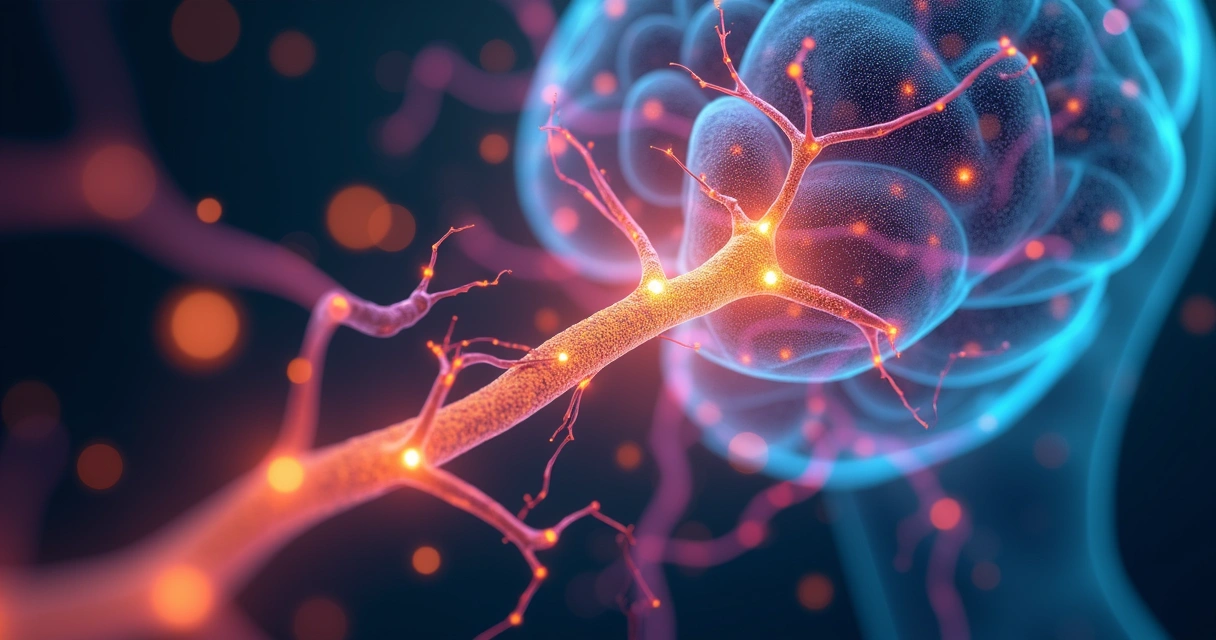
We find in neuroscience a practical answer to “why does awareness matter?” The act of bringing attention to our thoughts, feelings, or habits lights up the brain’s monitoring circuits. Over time, this awareness becomes stronger and faster. With regular practice, something remarkable happens: the brain literally rewires itself. Old neural pathways weaken from lack of use, while new ones—shaped by conscious effort—take their place.
Long-term change is not just a matter of willpower; it’s a matter of conscious, repeated choice that creates new structures in the brain.
Researchers note three repeating phases in successful behavior change:
- Awareness: Recognizing the habit or thought pattern in the moment.
- Interruption: Pausing the automatic reaction with conscious attention.
- Replacement: Introducing a new behavior, thought, or emotion.
As these steps are practiced, what begins as effort soon becomes automatic. This is neuroplasticity at work—the brain’s gift for learning and change.
The role of purpose and meaning in sustained change
Science makes it clear: we’re more likely to change, and stay changed, when our actions are aligned with a sense of meaning. The brain responds to purpose by releasing chemicals like dopamine and serotonin—both of which reinforce learning and motivation.
- People who connect behavioral change with their deeper goals find it easier to persevere.
- Purpose activates the brain’s reward system, making positive behaviors feel good.
- Change that resonates with core values has stronger and longer-lasting effects.
The search for meaning isn’t just philosophical—it’s biological. Our brains are built to find, and thrive on, significance.
Practical insights: Applying neuroscience to real change
Over years of research and observation, we have seen that successful change—personal or collective—shares several qualities rooted in neuroscience:
- Start small and intentional. Repeated, minor shifts create reliable pathways in the brain.
- Attach change to emotion. Bring positive feeling or story into the new behavior, giving memory an emotional anchor.
- Practice conscious reflection. Regular reflection helps notice progress, renew motivation, and deepen awareness.
- Build rhythm and routine. Daily signals or rituals route new behaviors into long-term memory.
- Seek supportive connection. Community and safe surroundings ease the stress of change, making growth more likely to last.
One movement, one choice, practiced often, shifts our mind and our actions.
Conclusion
Neuroscience doesn’t just help us understand what is happening when we try to change. It gives practical guidance—and tangible hope. Change is possible, not because we force the mind, but because we learn to partner with the brain’s natural systems of awareness, emotion, and purpose. We can become conscious architects of our own transformation, shaping lives that are aware, connected, and deeply meaningful.
Frequently asked questions
What is consciousness in neuroscience?
Consciousness in neuroscience refers to the state of being aware of ourselves and our surroundings. It arises from the interaction of multiple brain networks—including those for attention, memory, sensory processing, and self-reflection. Neuroscience does not see consciousness as a thing located in a single spot, but as something that emerges from many processes working together.
How does the brain change behavior?
The brain changes behavior through a combination of conscious intention, repeated action, and neuroplasticity. When we practice a new behavior with awareness, the brain forms new neural pathways. With time and repetition, these pathways become stronger, until the new behavior can happen automatically. The process depends on shifting activity from the brain’s habit system to its conscious control systems.
What triggers behavior change in the brain?
Behavior change in the brain is often triggered by a mix of motivation, emotional experiences, and awareness of the need to change. Strong positive or negative emotions, meaningful goals, and conscious reflection all serve as triggers that activate the brain’s attention and learning systems, preparing it to form or break new habits.
Is neuroscience-based behavior change effective?
Yes, approaches grounded in neuroscience have shown to be effective for meaningful and sustainable behavior change. By targeting brain systems for awareness, motivation, and habit formation, these approaches help people create real transformation that lasts longer than force of willpower alone. Research supports the use of methods like habit tracking, reflection, and emotional connection for better outcomes.
How can I use neuroscience to change habits?
You can use neuroscience to change habits by applying conscious awareness, repetition, emotional engagement, and supportive environment. Start with one small change, pay attention when you do it, add positive emotion, and repeat it daily. Over time, your brain will adapt, building new pathways that make the new habit easier to keep.