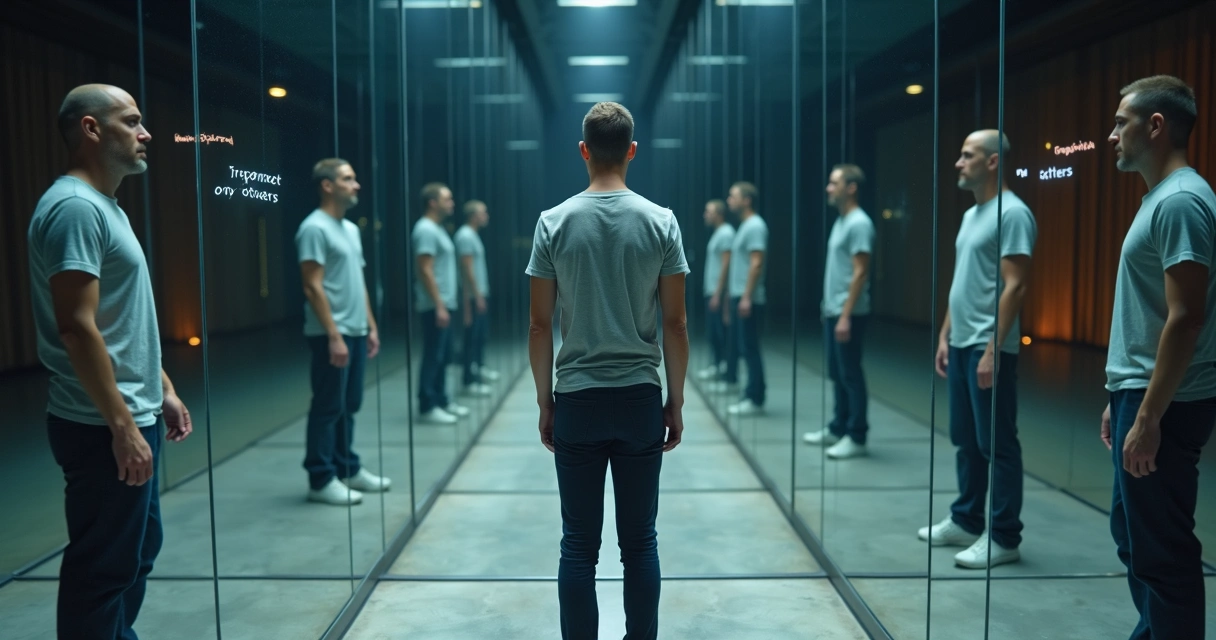


We all talk about living a life of purpose. Many of us can describe, in a few sentences, what matters most to us, what we want to build, or how we hope to impact others. Yet, a question quietly lingers for so many: Are our daily actions really in sync with this purpose? Sometimes, even if our intentions are clear, the ways we spend our time, energy, and attention can stray far from what matters most to us. This misalignment can creep in quietly and, over time, it can lead to discouragement, stress, and a sense of being lost.
Recognizing when there is a gap between purpose and action is the first step to realignment and renewal. Through years of working with people seeking deeper meaning in their lives and organizations, we have seen how this misalignment appears in five distinct ways.
1. Persistent dissatisfaction without clear cause
We all experience moments of frustration or restlessness. But if we find ourselves living with a constant sense of dissatisfaction, and can’t connect it to a specific cause, we may be facing something deeper. When purpose and action are in harmony, we feel at peace, even when life brings challenges. However, when our deeds do not support what we value most, that peace gives way to a subtle but persistent discomfort.
Something feels off, but we can’t quite name it.
In our experience, people often distract themselves from this discomfort through busyness or entertainment. Yet, the feeling lingers. If no material change—job, salary, possessions—ever seems enough, it may be time to look at alignment. Actions that do not serve a deeper purpose leave us unsatisfied, no matter how impressive they look from the outside.
2. Chronic procrastination and self-sabotage
Procrastination is sometimes just simple avoidance. But when we consistently delay or undermine efforts around specific activities, it can signal something else: a gap between what we are doing and what we actually care about. We may promise ourselves to get involved in certain projects, improve relationships, or prioritize health, but always find reasons to stall. Over time, guilt builds.
Procrastination connected to misalignment often feels heavier than ordinary avoidance, as if each step requires twice the effort for half the joy.
Ask yourself: Do we keep postponing certain meaningful actions, not because of fear or lack of skill, but because, deep down, they don’t reflect our real priorities? Chronic self-sabotage around key goals is a powerful sign that purpose and behavior are out of sync.

3. Recurrent conflict between choices and values
When purpose and action are aligned, our decisions, even when hard, leave us feeling whole. But if we notice ourselves making repeated choices that go against our stated values, it’s a strong warning sign. For example, perhaps we long for deeper family connections, but put work first every time. Or we speak about kindness, but respond to pressure with irritability.
These repeated missteps are often unconscious and driven by habit or external expectations, not conscious intention.
Over time, this gap shows up as inner conflict. We argue with ourselves, feel guilt or shame, and wonder why it is so hard to act in accord with what matters. This struggle is not a sign of weakness. It points clearly to places where realignment is needed.
4. Loss of energy and enthusiasm
Remember when you last felt truly excited about your day? When purpose guides action, it acts as a renewable source of drive. Tasks feel lighter, creativity increases, and setbacks don’t feel so discouraging. In contrast, working hard without a sense of meaning drains our energy, even when we are physically healthy.

Some of us try to force motivation through sheer willpower, but this rarely lasts. Eventually, burnout or apathy sets in. If our former spark for work, relationships, service, or creativity feels lost and nothing reignites it, misalignment between purpose and actions is often at the center.
We can measure this not only by the lack of energy but by the absence of small joys, curiosity, and inspiration in the everyday.
5. Relationships suffer or become shallow
Humans are wired for connection. When our deepest intentions and daily actions don’t match, our relationships reflect this. Friends may sense distance, colleagues report lack of engagement, or family members feel unimportant. We may notice ourselves isolating, withdrawing, or interacting only in roles instead of true presence.
Genuine connection weakens when purpose is not lived out through our words and actions.
Sometimes, the misalignment is subtle. We attend the events, have the conversations, but our heart is not present. Over time, relationships feel less supportive, and even close bonds can grow transactional or hollow. This is rarely about other people—it is a mirror of our own disconnection within.
Conclusion: Realignment begins with honest reflection
Purpose is not just a grand idea; it only matters when lived. Searching for warning signs of misalignment can feel uncomfortable, but it opens the path to meaningful change. We have seen, time and again, that when people notice these patterns—persistent dissatisfaction, procrastination, conflict with values, loss of energy, and struggling relationships—they can begin to gently realign.
It starts with awareness, grows with small changes, and builds as our actions begin to mirror what we say matters most.
No path is perfect and realignment is ongoing. We believe that by honoring the signals, we move closer to the life, work, and relationships that reflect our real purpose.
Frequently asked questions
What does it mean to be misaligned?
Being misaligned means that there is a disconnect between what we truly value, or our sense of purpose, and the actions, choices, or behaviors we display in daily life. Misalignment shows up when our lived reality doesn't reflect our deeper intentions or beliefs.
How can I spot misalignment in life?
You can spot misalignment by noticing ongoing dissatisfaction, feeling out of energy, making frequent choices that go against your values, falling into procrastination that feels heavy, or seeing your relationships lose depth and connection. These signs often indicate that your actions aren’t serving the life you actually want to create.
What are warning signs of lost purpose?
Warning signs of lost purpose include persistent restlessness, lack of enthusiasm for things that once mattered to you, emotional distance in relationships, and repeatedly failing to follow through on meaningful goals. If everyday life starts to feel empty or disconnected, it may be time to look for lost purpose.
How do I realign my actions and purpose?
Start with honest self-reflection to clarify what matters most to you. Then, make small, deliberate changes in daily habits or choices so that they support your deeper sense of purpose. Building this alignment is a gradual process, and paying attention to how you feel as you adjust can guide your next steps.
Why does alignment with purpose matter?
Alignment with purpose brings a sense of fulfillment, energy, and meaning to our lives that cannot be replaced by external achievements or approval. When we live in sync with our deeper calling, challenges become easier to face and our connections with others become more authentic and enriching.